


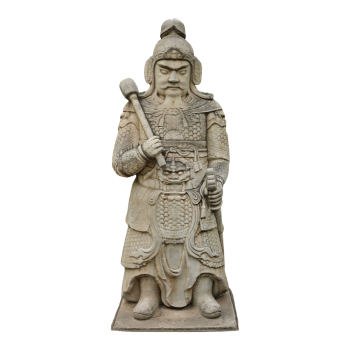
Ming Ming Mausoleum and Ming Maoling Statue "Stone Carving of Benevolent Beasts"
Starting from the two hexagonal stone pillars to the north of the Beiting Pavilion and ending at the Dragon and Phoenix Gate, on both sides of the kilometer long divine path, 24 stone beasts and 12 stone figures are neatly arranged, with vivid shapes and exquisite carvings, deeply loved by tourists. The large quantity, large size, exquisite carving, and good preservation of it are rare in ancient Chinese cemeteries. The stone figures are divided into four categories: meritorious officials, civil officials, and military officials, each with four statues. They were close attendants of the emperor during his lifetime, all of whom were standing statues with hands clasped in water, majestic and devout. The installation of such stone statues in imperial tombs dates back over two thousand years to the Qin and Han dynasties.

Colorful glazed statue of Wei Tuo painted in the Ming Dynasty
This artifact is a Bodhisattva named "Weituo", a statue from the Ming Dynasty (1368-1644) in China. This ceramic artifact is currently housed in the National Museum of Scotland. The prototype of Weituotian is Shijiantuotian, the son of Brahmanism's Great Self in Heaven. Shijiantuo has over twenty names. In addition to Shijiantuo, common ones include Kumaraj, Kajiya, Shanfan, Nengzhou, and the Six Faced Child. The common image is a two armed young male war god, and there are also six sided images.

Popular Models
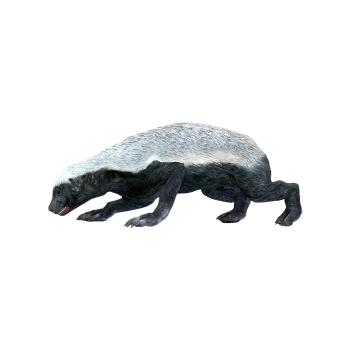
Honey Badger (3D animated model)
194 View
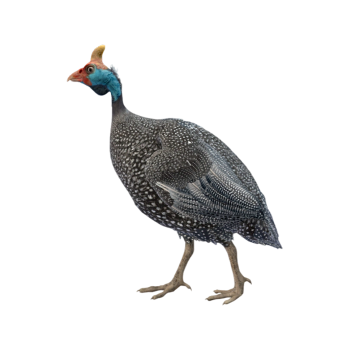
Guinea fowl (3D animated model)
165 View
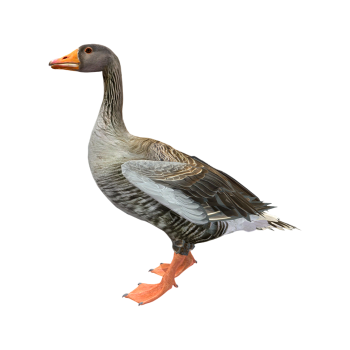
Wild Goose (3D animated model)
187 View
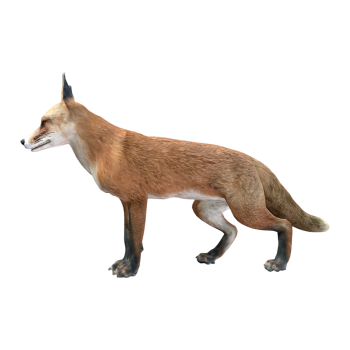
Red Fox (3D animated model)
155 View
Random Model
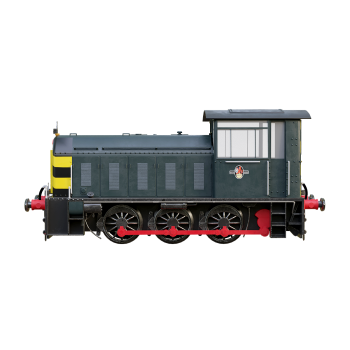

Boeing B- 52 strategic bomber
730 View

F/A-18 Combat Attack
907 View

Old yellow paint fire hydrant
309 View
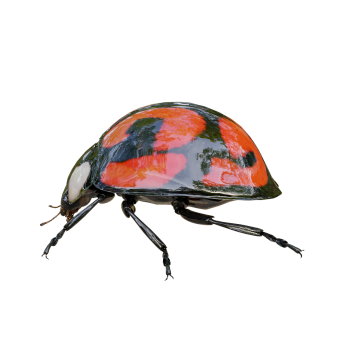
Six-spot hetero ladybug
665 View
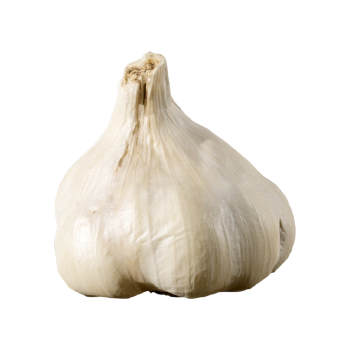
Garlic
822 View
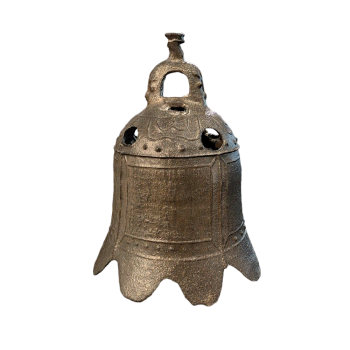
Ancient Chinese Temple Bell
362 View

Porsche 997 GT3RSR Racing
747 View

Adidas Gazelle sneaker
589 View

Vibrio cholerae
612 View